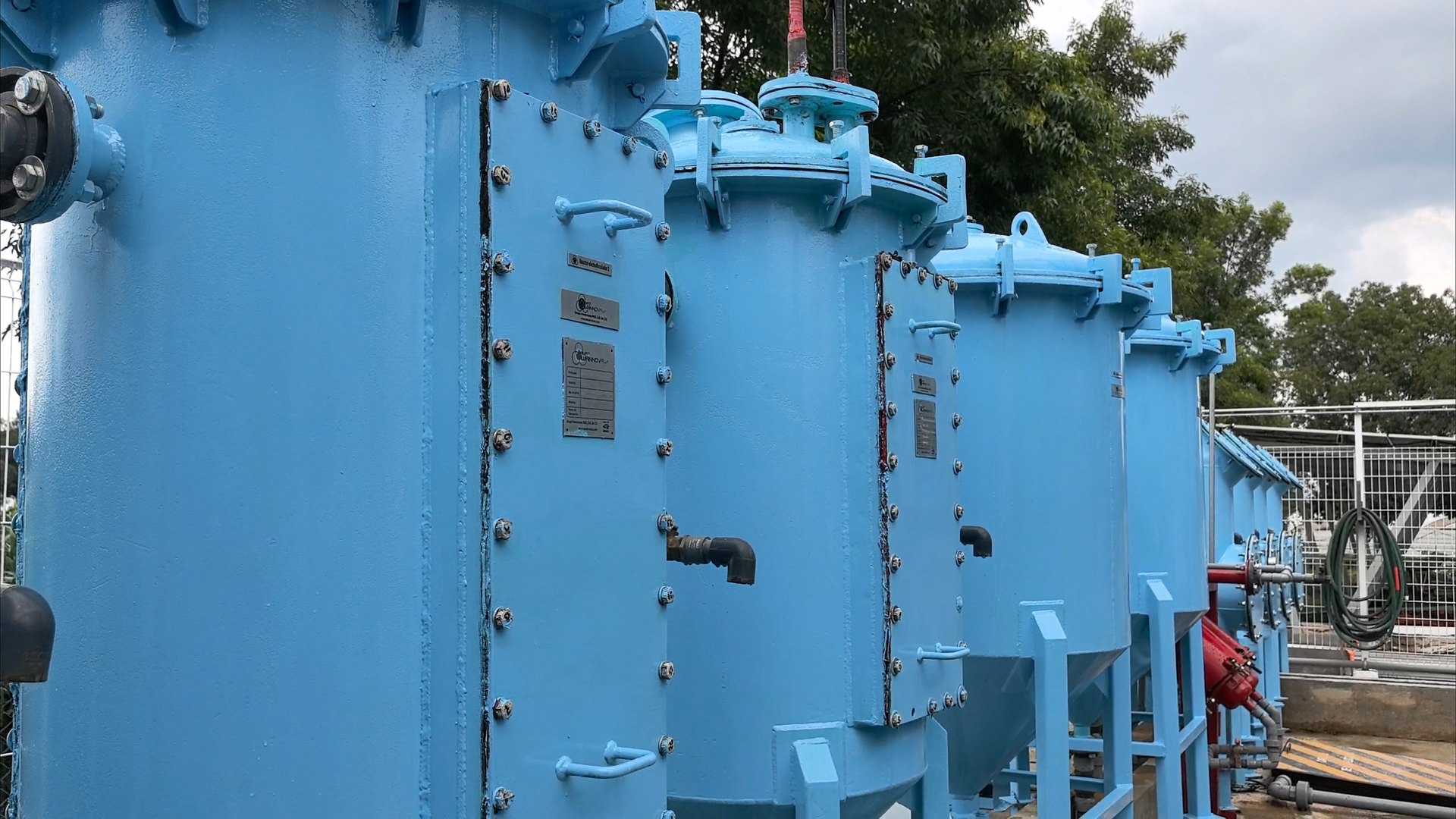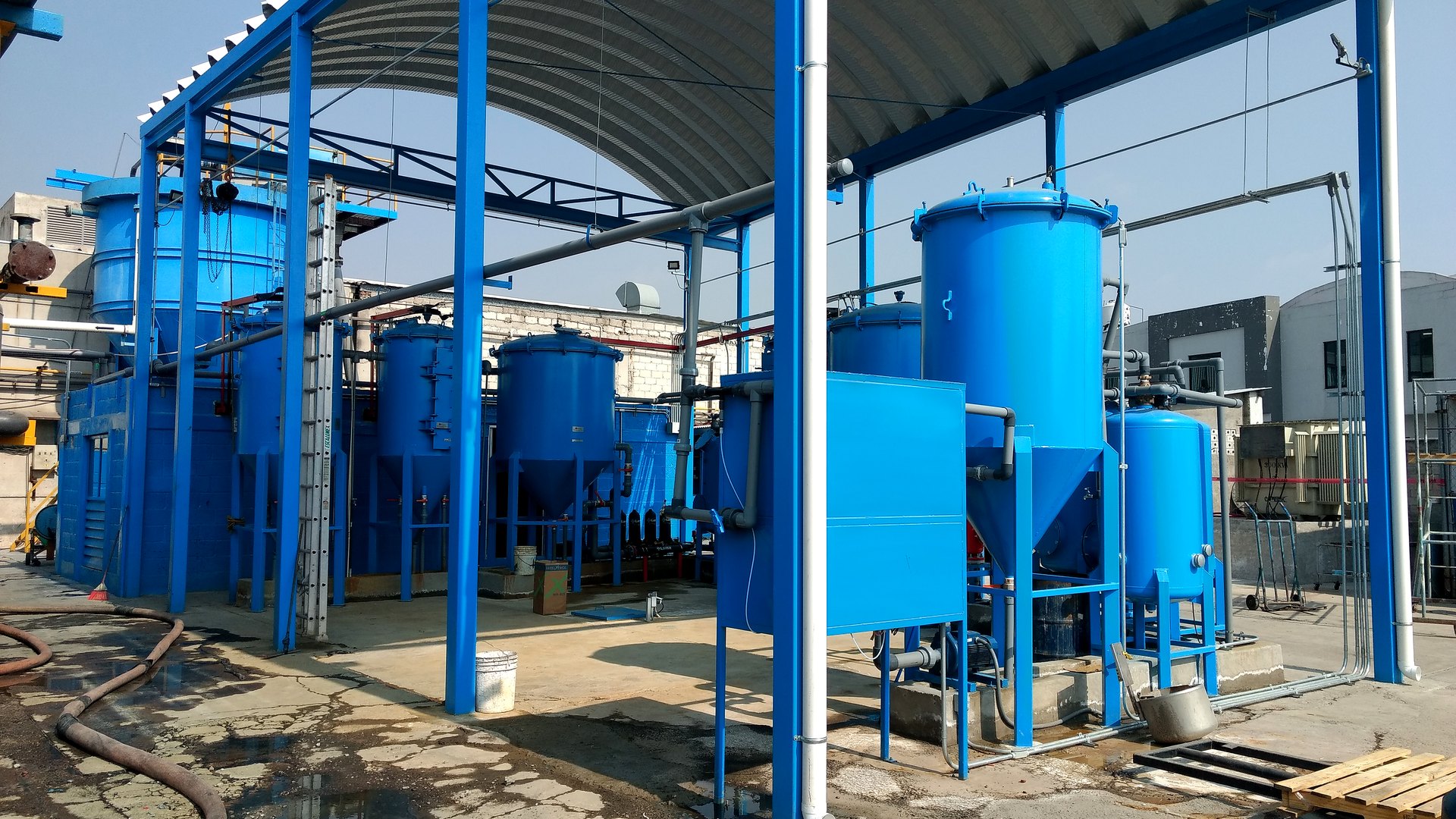
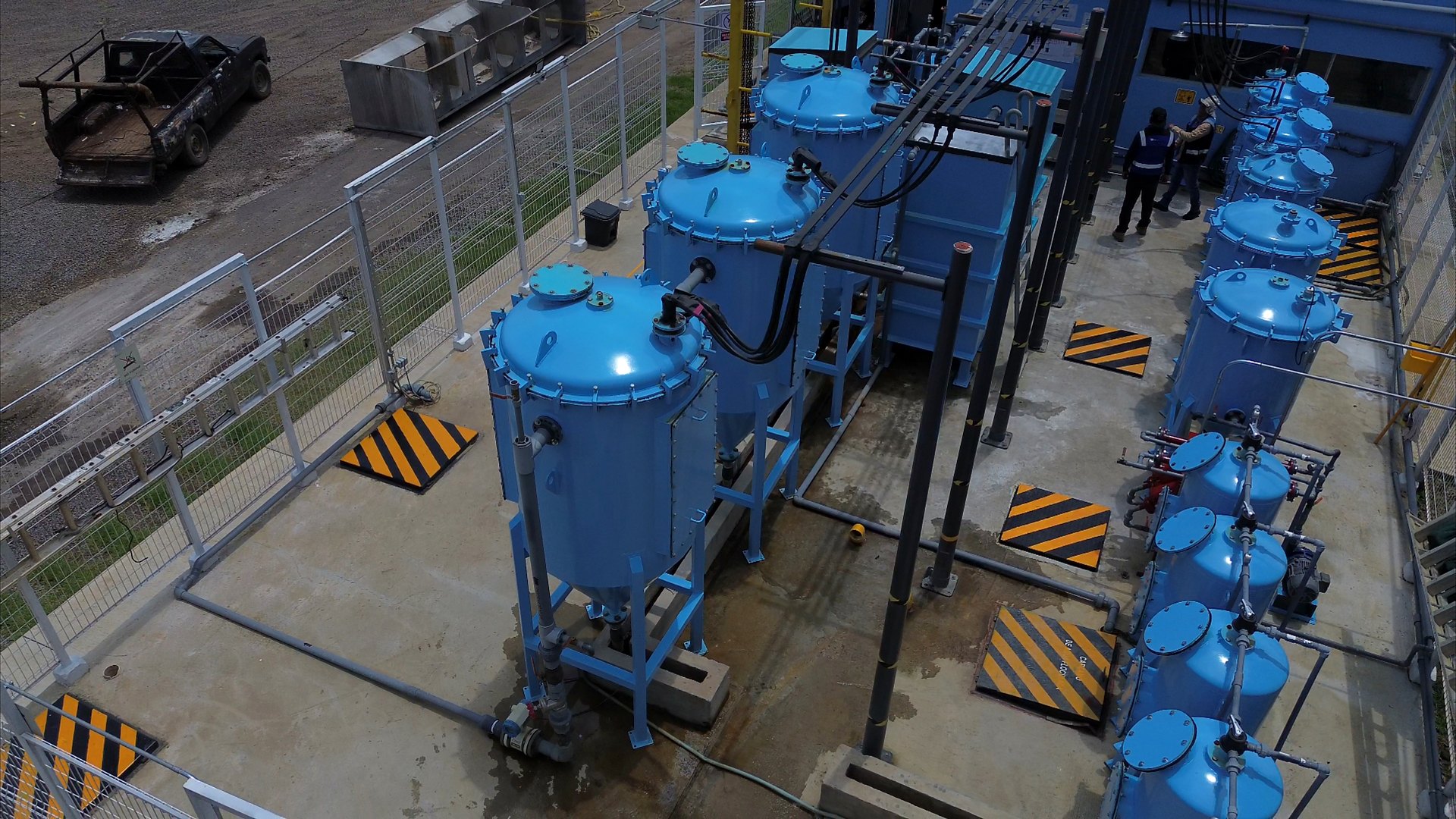
Industrial wastewater treatment reactor battery in continuous operation

From Reaction to Prediction

Predictive supervision powered by real-time telemetry and operational digital twins to anticipate process deviations and safeguard continuous plant operation.

Continuous Pipeline: From Field Sensor to Operational Support

Continuous inference architecture: from physical in-tank sensors to prescriptive decision support on the control room screen.

ACQUISITION ARCHITECTURE

01. Field Sensors & Primary Instrumentation

Submersible industrial transmitters continuously logging pH, conductivity, ORP, dissolved oxygen, and turbidity.

AUTOMATION ROLE (PLC)
Standard 4–20 mA current loops or digital Modbus RS-485 frames feeding local programmable controllers.
AI / ANALYTICS ROLE
Operating range supervision, sensor calibration drift detection, and multivariable physicochemical correlation.
SIGNAL REGIME Continuous field acquisition
FIELD PROTOCOL Modbus TCP/RTU / 4-20 mA
LINK SUPERVISION Local edge buffering on network drop

Digital Twin: Plant Process Topology

Spatial mapping of operational process units across Grupo AWAINNOVA infrastructure. Select a node to inspect its critical monitored variables.

LIVE INTERACTION
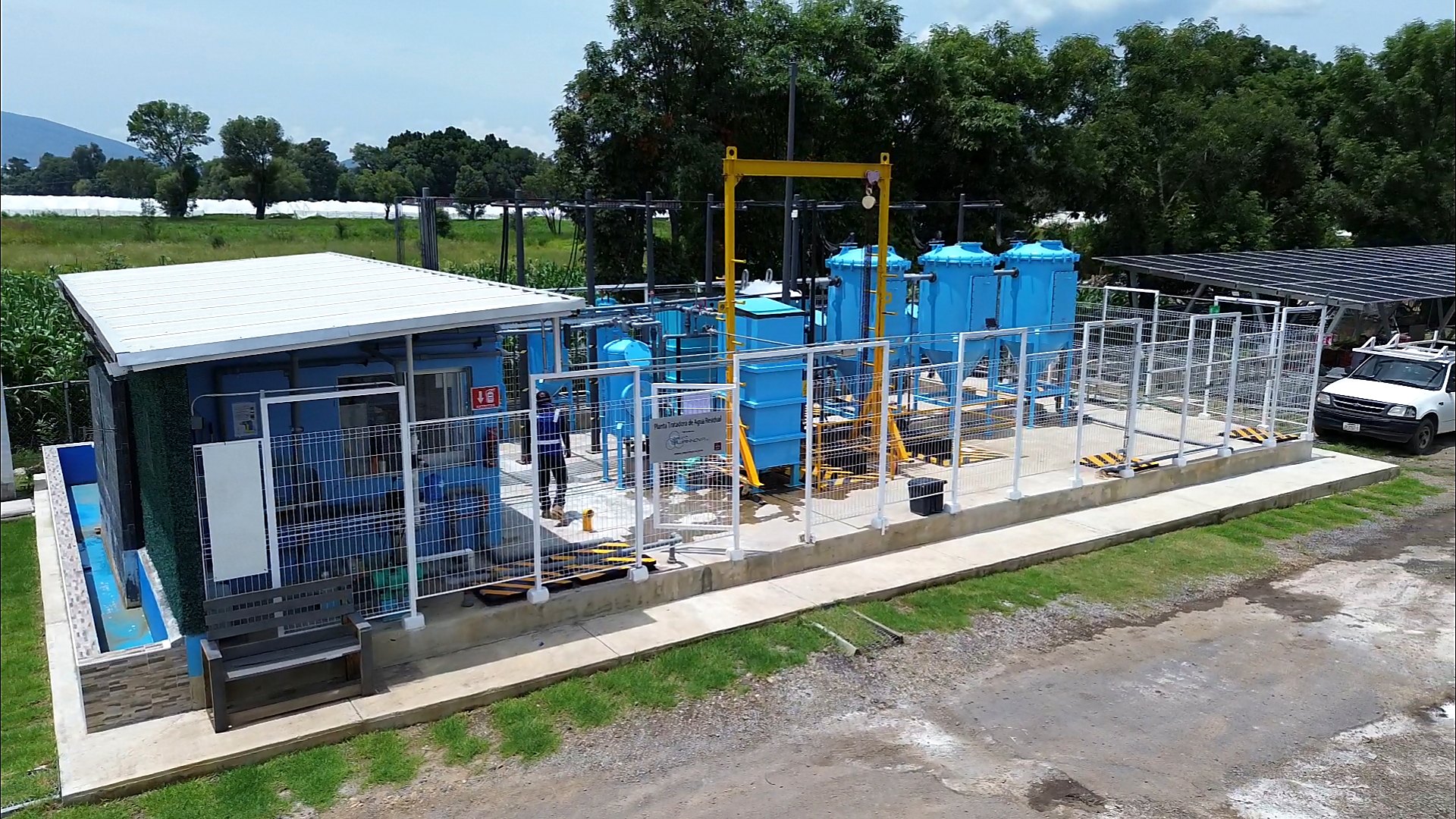
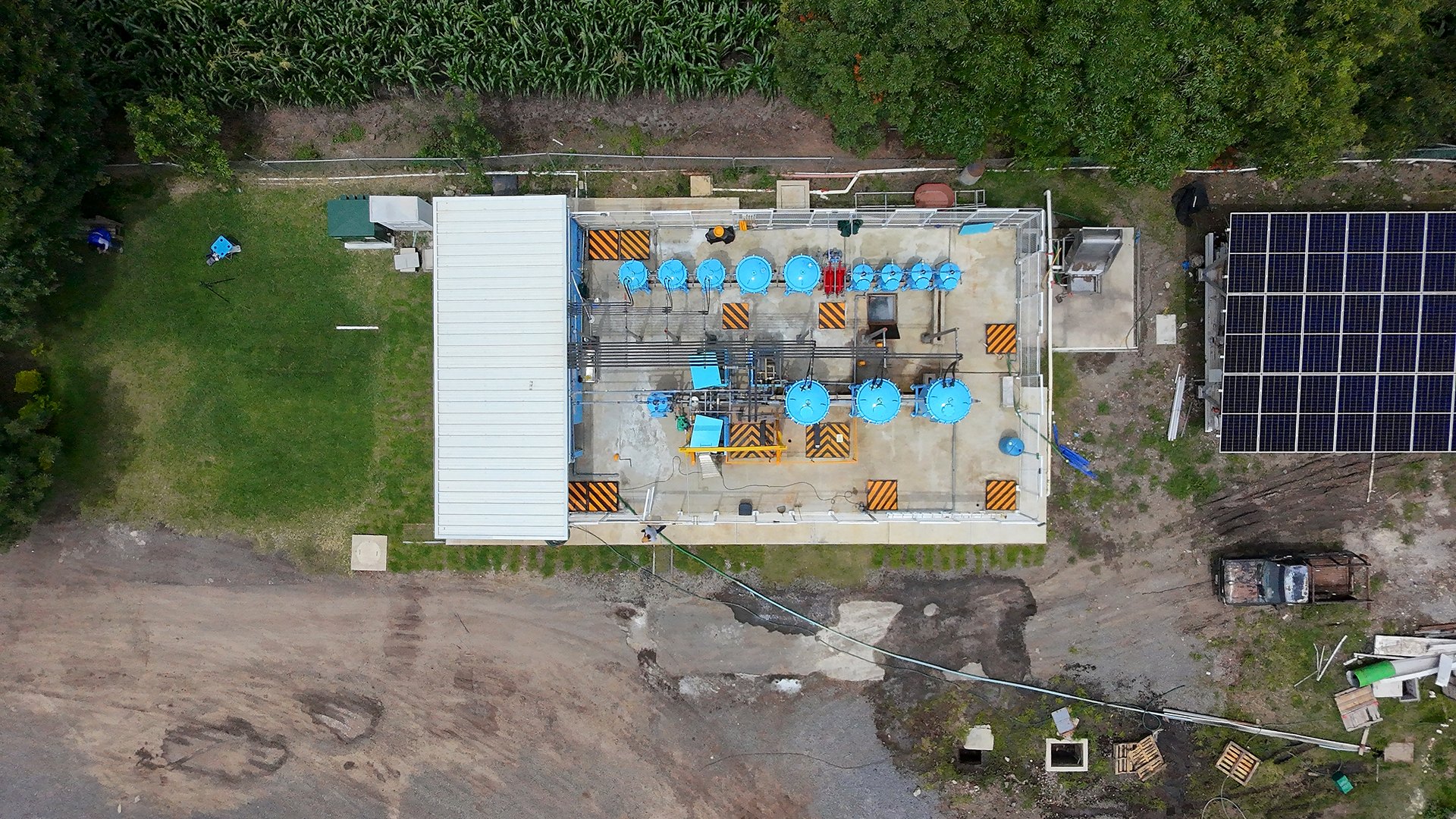
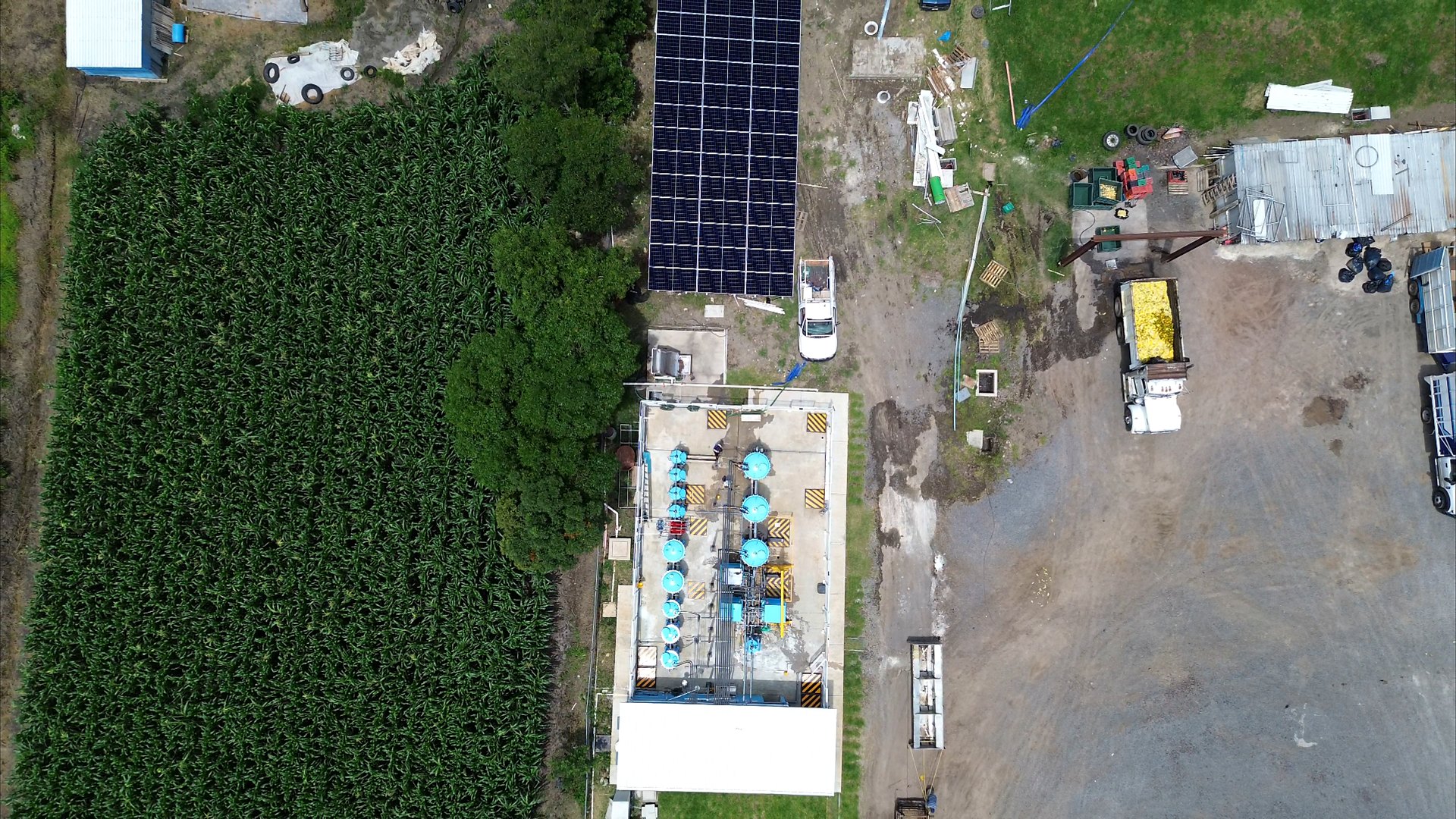
Aerial overview of wastewater treatment plant reactors and clarifiers
* Industrial plant coordinates calibrated over certified orthophoto AWA-PTAR-02.
Zone 01 WWTP NODE

Headworks Building, Pretreatment & Control

SUBSYSTEM FUNCTION

Raw wastewater reception, coarse solids screening, and centralization of power and control cabinets.

AUDITED CRITICAL VARIABLES

Receiving wet-well level, estimated influent flow rate, and primary feed pump operating status.

APPLIED ANALYTICAL MODEL

Flow regularity supervision and early detection of volumetric influent surges.

VISUAL VALIDATION
Physical structure identified in aerial orthophoto (western sector of the plant).

Reactive Operation vs. Predictive Operation

Technical comparison between conventional post-event supervision and our trend-assisted predictive operating model.

CONVENTIONAL PARADIGM Corrective action triggered only after a deviation alarm or delayed lab test
ANOMALY DETECTION

Post-Event Response

Process anomalies are noticed only after off-spec wastewater is already flowing through the reactors.

ENERGY CONSUMPTION

Fixed Setpoints

Blowers run at high static setpoints as an empirical safety margin, inflating electrical power costs.

CHEMICAL DOSING

Empirical Manual Adjustment

Conservative coagulant dosing based on shift operator intuition, risking chemical overdosing.

REGULATORY VULNERABILITY

Shock-Load Vulnerability

Unexpected influent shock loads propagate through the train before staff can adjust process setpoints.

ELECTROMECHANICAL MANAGEMENT

Corrective Maintenance

Pump and blower servicing occurs only after an unplanned shutdown caused by mechanical failure.

OPERATING CRITERIA

Shift-to-Shift Variability

Inconsistent control decisions across operator shifts without unified analytical standardization.

ASSISTED PREDICTIVE PARADIGM Recommended setpoints driven by multivariable trends before process impact
ANOMALY DETECTION

Early Drift Identification

Time-series analytics flag subcritical parameter drift early to regulate hydraulic retention times.

ENERGY CONSUMPTION

Dynamic Aeration Modulation

Blower VFD speed modulation matched to the calculated real-time oxygen demand curve.

CHEMICAL DOSING

Parametric Dosing Control

Stoichiometric dosing correlated with inline flow and turbidity, eliminating chemical waste.

REGULATORY VULNERABILITY

NOM-001 Compliance Shield

Preventive buffering against shock loads to safeguard continuous regulatory compliance.

ELECTROMECHANICAL MANAGEMENT

Condition-Based Monitoring

Runtime hour and discharge pressure tracking on pumps to schedule preventive maintenance windows.

OPERATING CRITERIA

Unified Operator Copilot

Explainable decision-support dashboards that standardize operating criteria across all shifts.

* Conceptual operational design comparison contrasting reactive supervision against trend-assisted predictive models.

Applied Intelligence by Process Unit

Photographic documentation and instrumentation architecture across real Grupo AWAINNOVA installations.

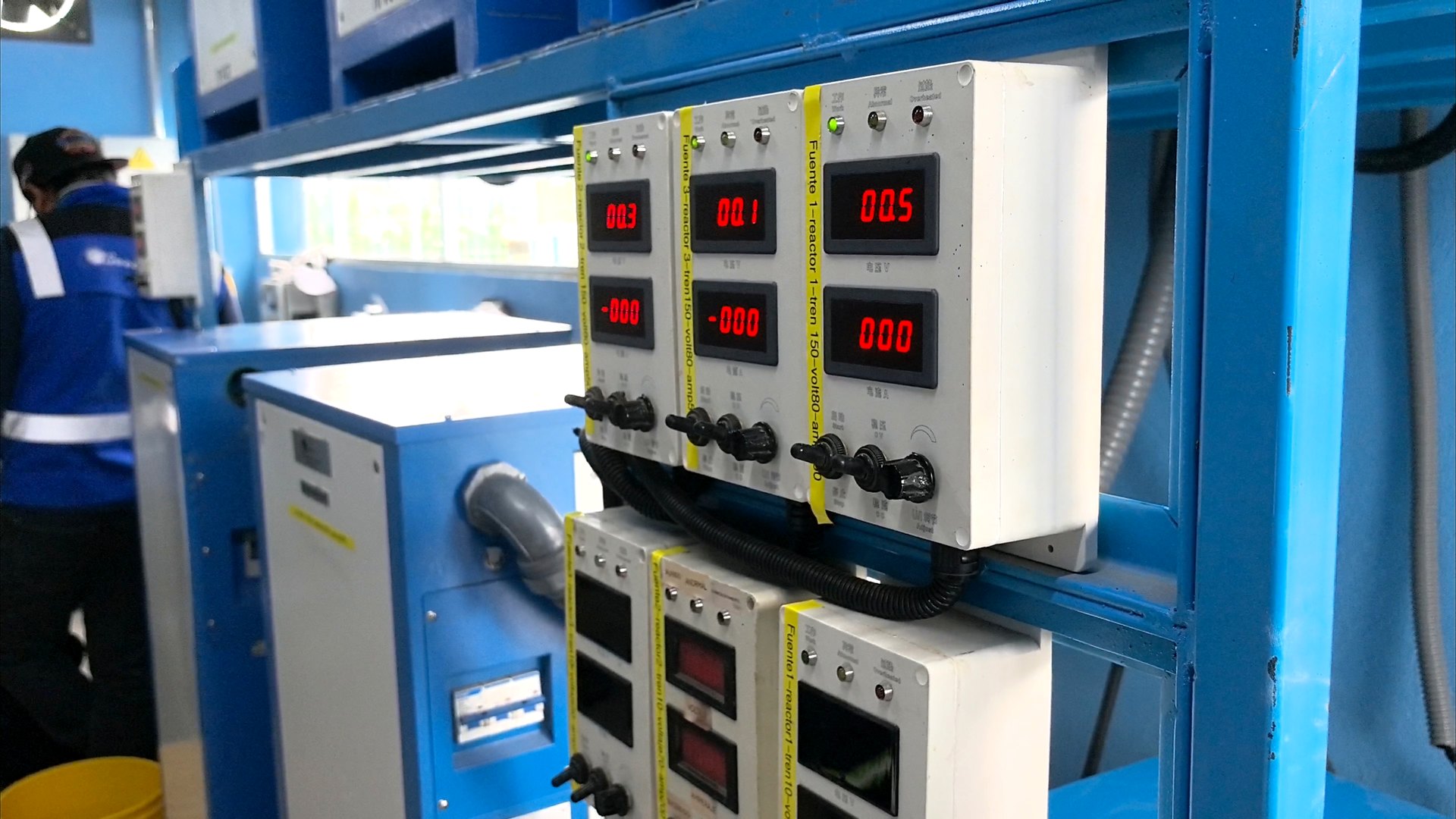
MER electrical control cabinet and industrial instrumentation conduit
AWA-PTAR-07 EARLY DETECTION

MER Electrical Cabinet & Edge Acquisition

Analog signal concentration with channel-to-channel galvanic isolation, protecting sensor readings from VFD harmonics and electromechanical switching noise.

SYSTEM: AWAINNOVA MER Cabinets • PROTOCOL: Modbus RTU / TCP
Galvanic analog signal isolation and continuous local edge logging to guarantee process traceability.
Flow distribution manifold with flanged valves and industrial process piping
AWA-PTAR-04 FLOW OPTIMIZATION

Distribution Manifold & Hydraulic Balance

Balanced flow splitting across modular reactors to prevent hydraulic overloading and equalize Hydraulic Retention Time (HRT).

VALVES: Flanged butterfly • FUNCTION: Feed hydraulic balancing
Flow distribution control to equalize retention times and optimize biological and electrochemical treatment.
Clarified water surface in tank with perimeter weir at wastewater treatment plant
AWA-PTAR-03 WATER QUALITY

Clarification & Optical Effluent Monitoring

Continuous settleability verification across the perimeter Thompson weir to ensure clarified water free of biological floc carryover.

SURFACE: Perimeter weir • STANDARD: NOM-001-SEMARNAT-2021
Visual and optical settleability tracking to guarantee effluent remains within compliant discharge parameters.
Physical floc separation in DAF module for textile industrial effluents at Río Sul plant
AWA-PTAR-10 TEXTILE SECTOR APPLICATION

DAF Separation in Industrial Effluents

In complex textile discharges containing dyes and surfactants (Río Sul Plant), Dissolved Air Flotation (DAF) modules accelerate physical separation of colloidal flocs and oils.

APPLICATION: Physicochemical DAF treatment • PLANT: Río Sul
Accelerated separation of suspended solids and color in high-demand industrial wastewater.
Pumping train and gearmotor for sludge recirculation at Zamora treatment plant
AWA-PTAR-06 PREVENTIVE MAINTENANCE

Pumping Train & Condition Supervision

Continuous monitoring of service hours, discharge pressures, and mechanical load on recirculation pumps to schedule preventive duty-standby alternation.

ASSET: Centrifugal recirculation pump • PLANT: Zamora
Continuous load and runtime hour supervision to protect mechanical availability across the pumping train.

Performance Objectives & Operational Control

Industrial performance targets backed by Grupo AWAINNOVA's technical engineering architecture.

Energy
Dynamic Aeration Modulation

Adapting blower operating speed to real-time organic oxygen demand to eliminate unnecessary power draw.

Reagents
Efficient Chemical Dosing

Continuous physicochemical parameter tracking to eliminate overconsumption of coagulants and polymers.

Compliance
NOM-001 Tracking

Systematic surveillance of water quality indicators aligned with SEMARNAT-2021 regulatory standards.

Assets
Preventive Asset Supervision

Early detection of operational anomalies to extend the service life of pumping and aeration assets.

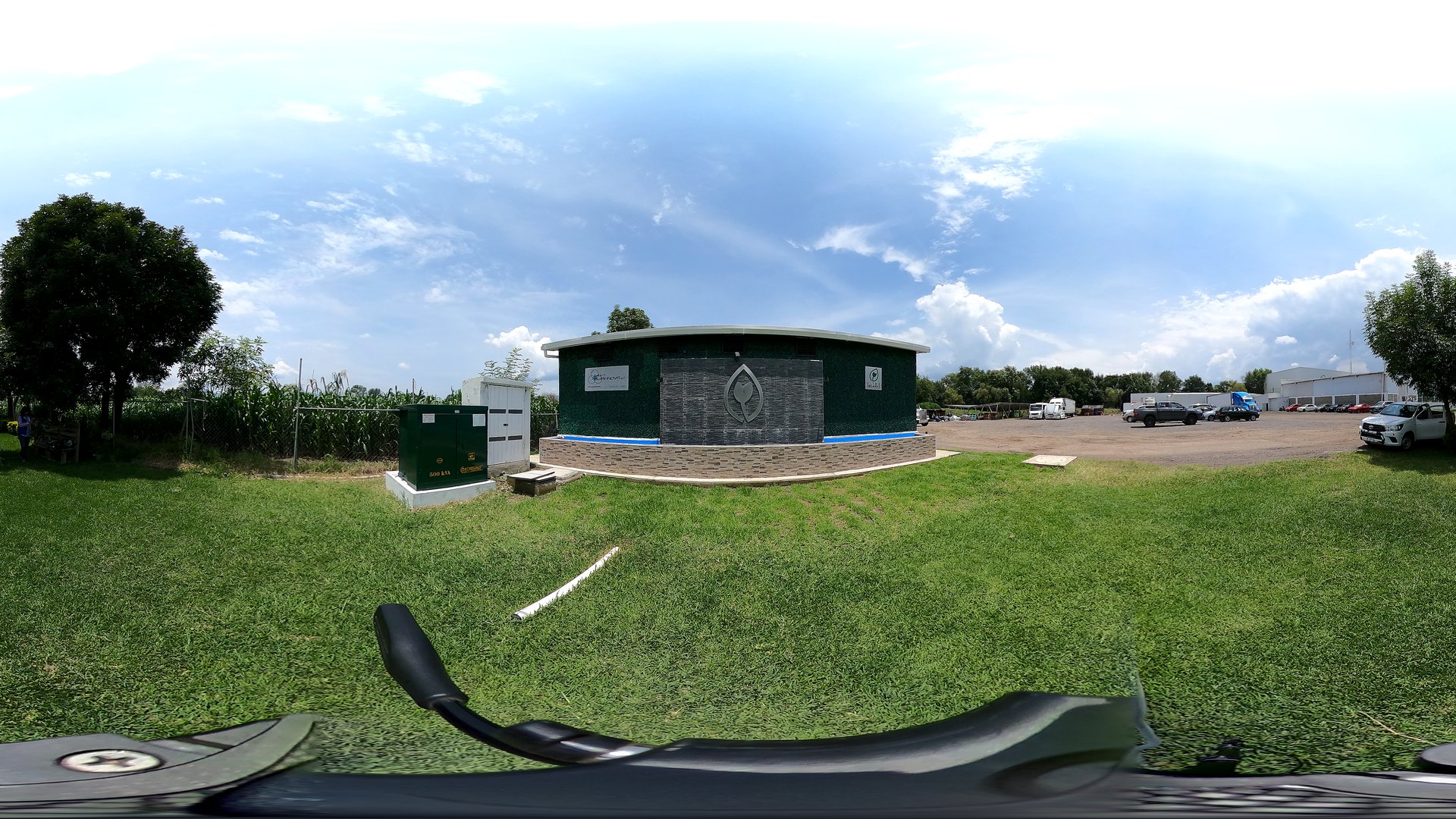
Panoramic view of complete Grupo AWAINNOVA industrial wastewater treatment facility

Integrate Operational Intelligence into Your Water Infrastructure

Our control engineers and bioprocess specialists evaluate the sensory and analytical readiness of your existing WWTP without interrupting continuous treatment operations.