Sustainable
Eliminates heavy chemical dosing and generates significantly less secondary sludge compared to conventional chemical treatment.

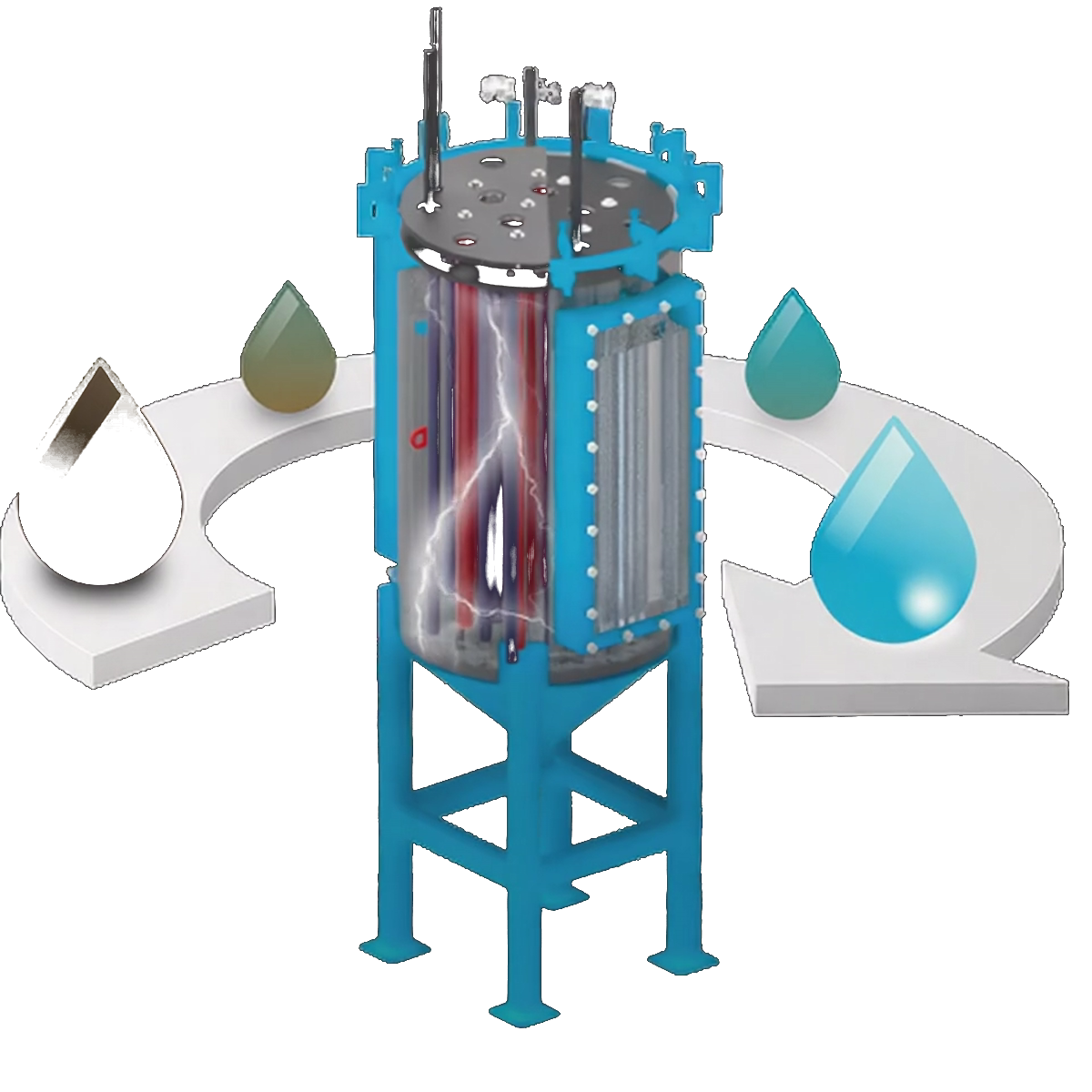
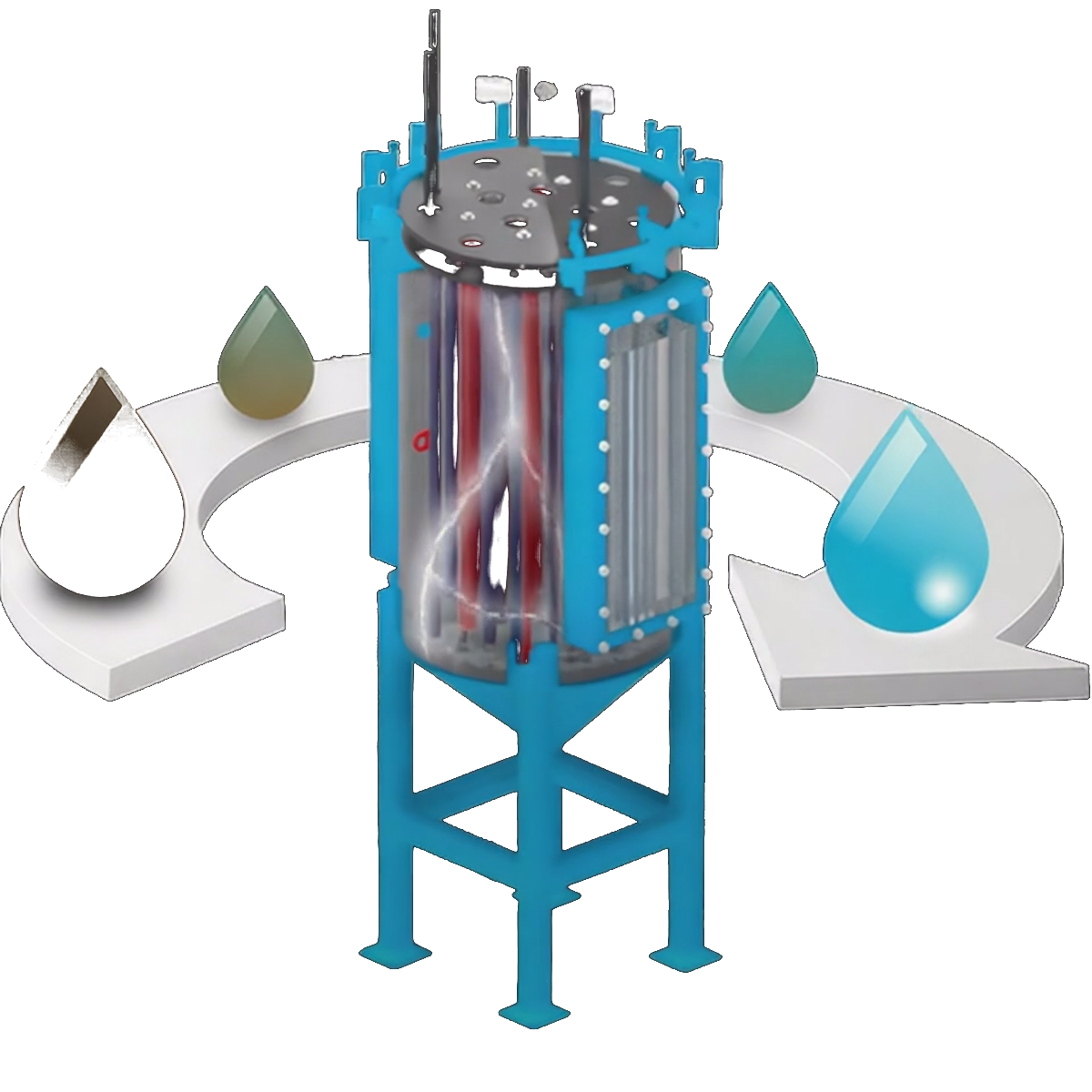
Using in-situionic electroflocculation, we apply electrical energy efficiently to transform complex wastewater into high-quality treated water.
Low-voltage ionic electroflocculation
Key technological advantages to elevate treated water quality, lower OPEX, and guarantee regulatory compliance.
Eliminates heavy chemical dosing and generates significantly less secondary sludge compared to conventional chemical treatment.
Removes dissolved solids, dyes, oils, and heavy metals; dramatically improves COD/BOD and turbidity through dense, compact flocs.
Electrically destabilizes molecular contaminant bonds in water, forming dense flocs that separate rapidly from the liquid phase without chemical polymers.
Dense, low-moisture flocs that accelerate sedimentation, dewatering, and final disposal.
Low-voltage direct-current operation engineered for optimal removal performance per kWh consumed.
Consistent compliant effluent parameters that streamline environmental audits and regulatory reporting.
Swipe horizontally or select a stage to inspect our engineering workflow.
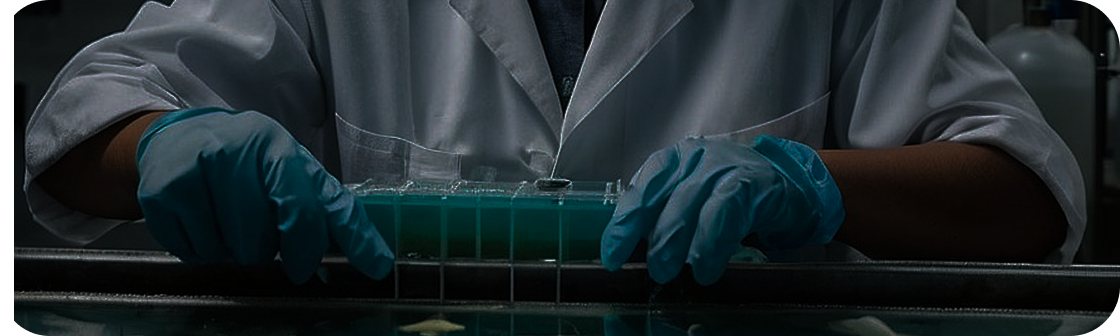
We analyze your raw influent (COD, BOD, TSS, heavy metals, FOG) and execute laboratory treatability trials to define the exact process train and design parameters based on empirical data.
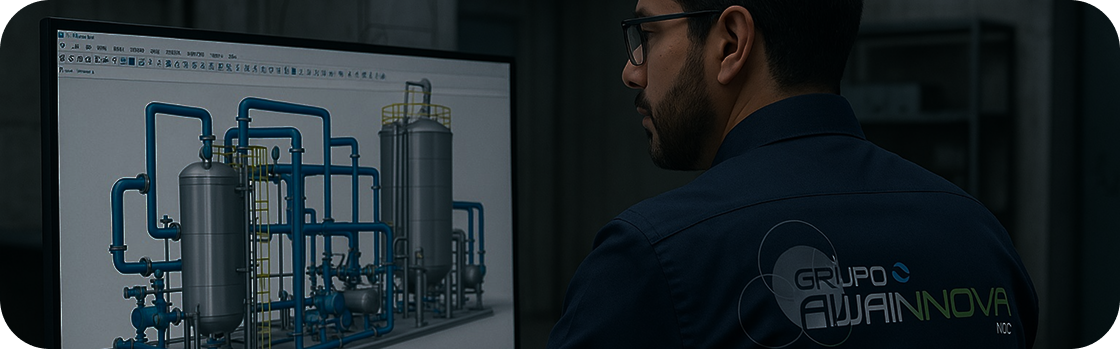
Applied process engineering across ionic electroflocculation, system architecture, and stoichiometric, hydraulic, and electromechanical calculations. Full P&ID blueprints and plant layouts integrating chemical, environmental, civil, mechanical, electrical, and control engineering to guarantee capacity and compliance.

Advanced materials engineering and strict quality assurance: we fabricate reactors, integrate electrical control cabinets, and execute rigorous Factory Acceptance Testing (FAT) to validate flow rates, power draw, and PLC logic prior to site commissioning.
Explore by industry sector and discharge type: swipe horizontally.
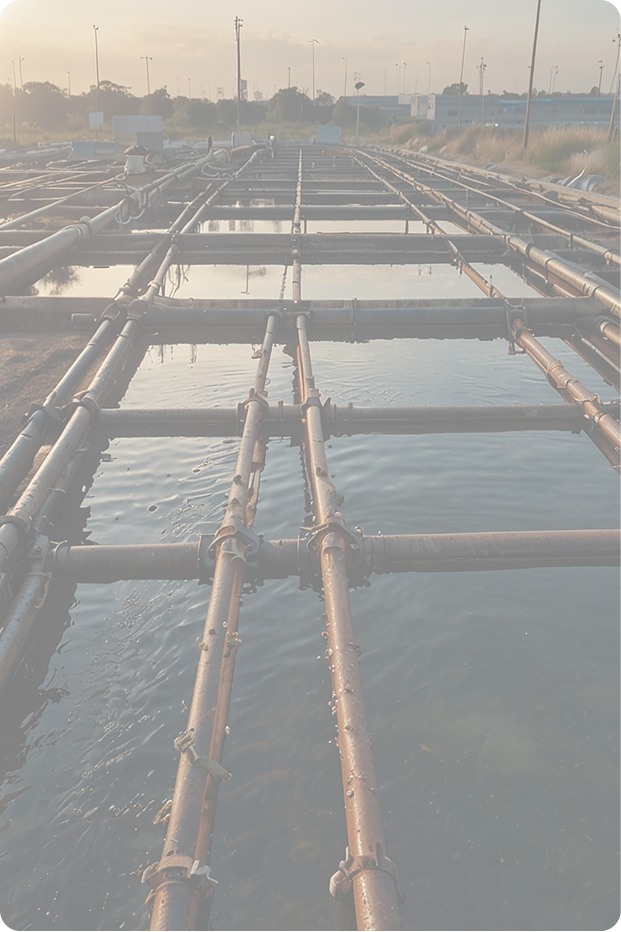
Surfactants, detergents, grease, personal care compounds, and organic sanitary matter.
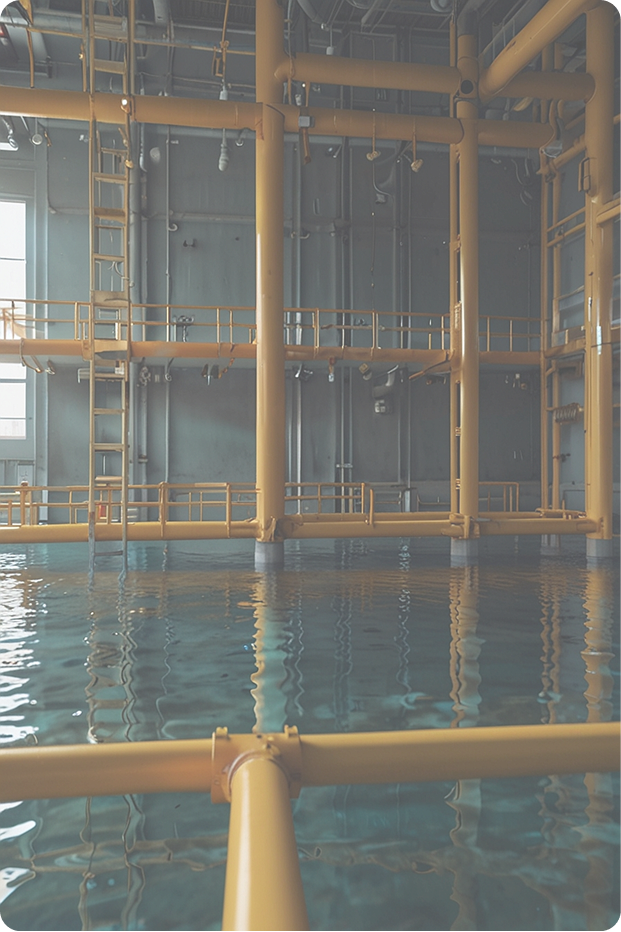
Combined domestic, commercial, recreational, and municipal urban wastewater streams.
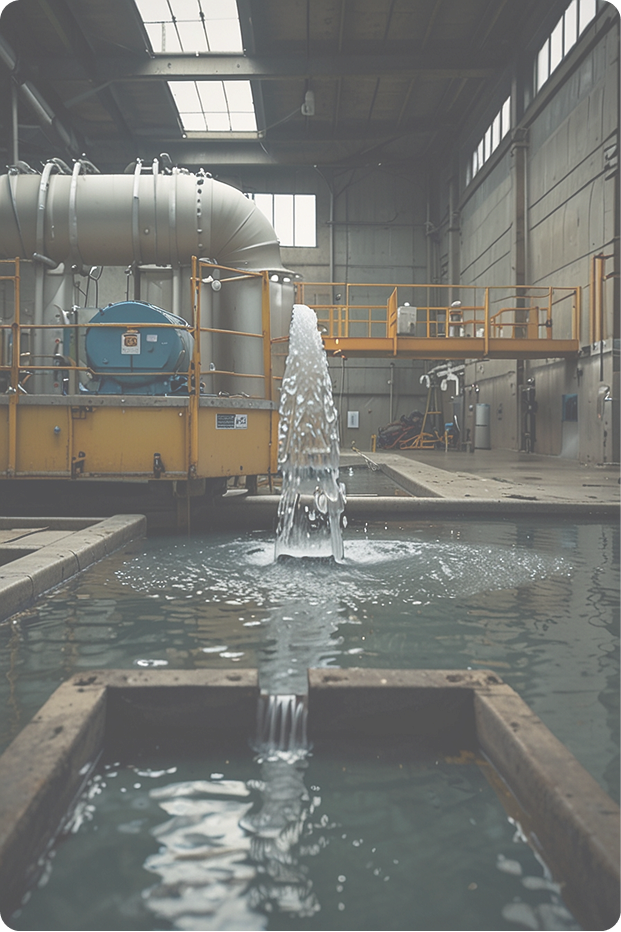
High-strength, high-toxicity industrial wastewater streams across chemical, food & beverage, textile, automotive, and metalworking sectors.
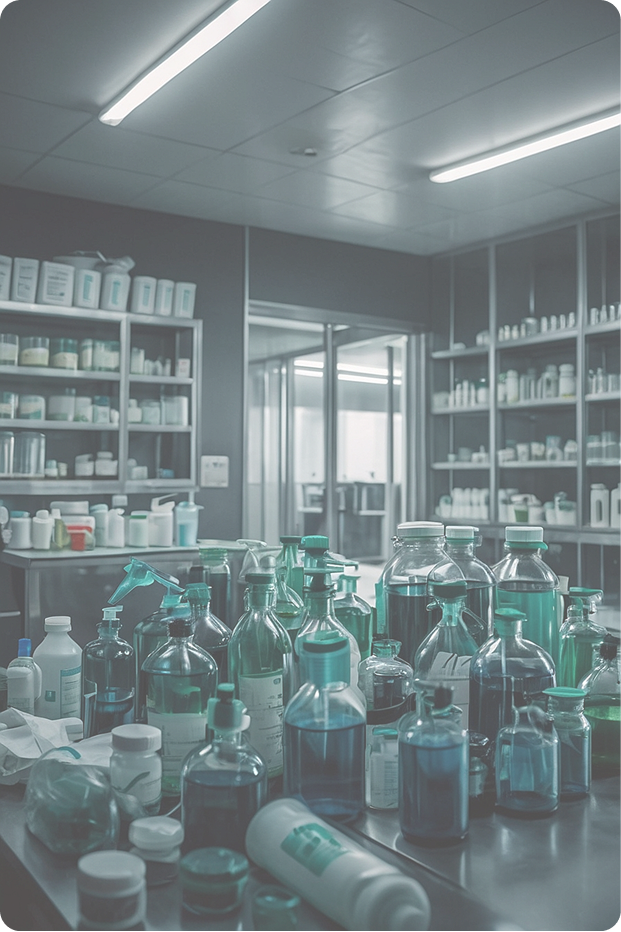
Hospital, clinical, and laboratory effluents containing persistent pharmaceutical and biochemical contaminants.
Clarification, selective heavy-metal precipitation, and tertiary polishing to meet strict discharge or process reuse limits.
High-salinity congenital water co-produced during hydrocarbon extraction containing dissolved minerals and hydrocarbons.
High-FOG food processing effluents that coat biological biomass and destabilize conventional activated-sludge plants.
Separation, demulsification, and polishing of oily industrial streams and hydrocarbon-contaminated water.
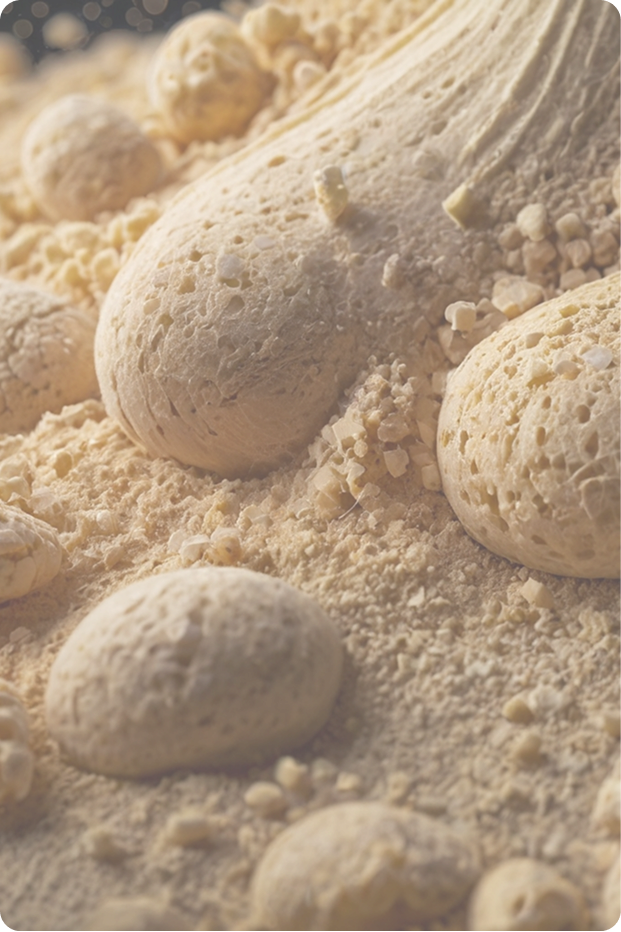
High-COD dissolved dairy whey and protein effluents that resist conventional biological degradation.
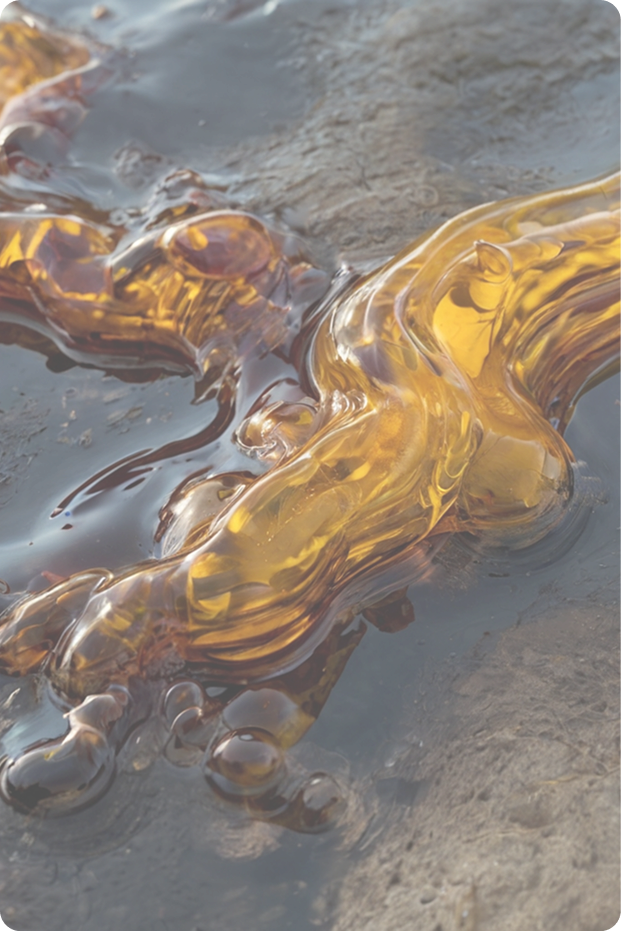
Highly corrosive, acidic, high-metal liquids percolating from organic and inorganic solid waste decomposition.
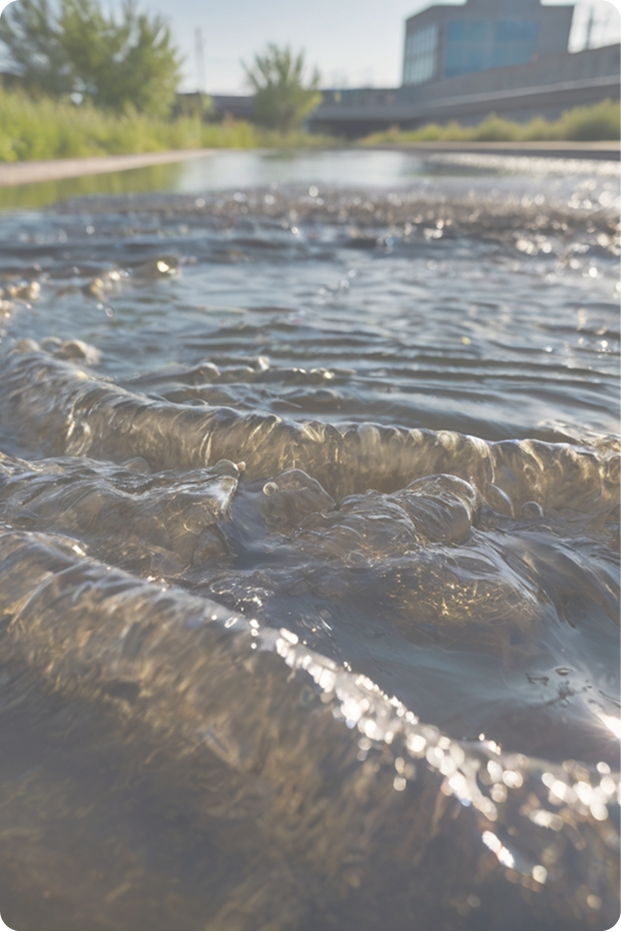
Combined restroom, food-court grease, bakery, and commercial discharges requiring robust buffering and physicochemical treatment.
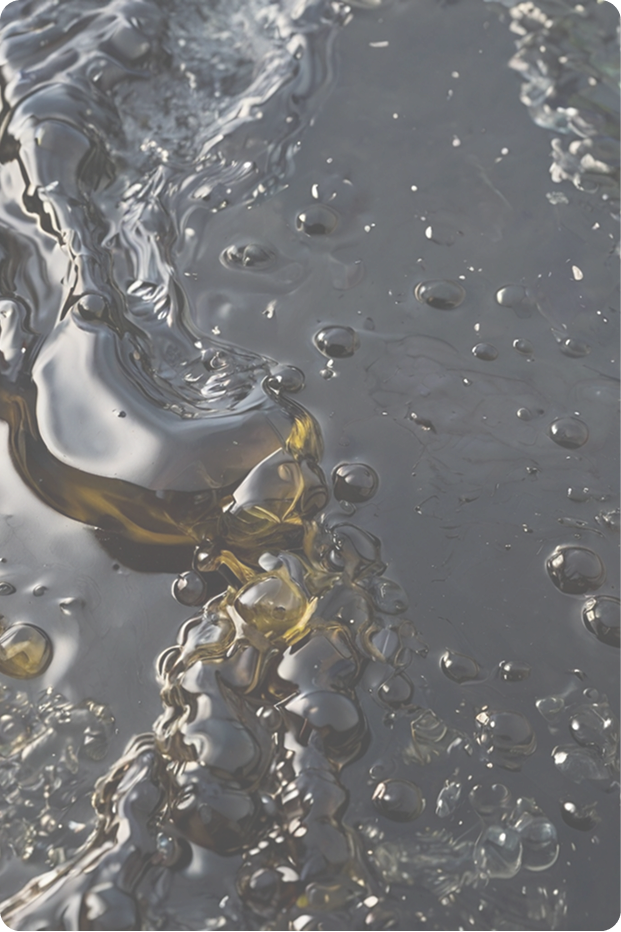
Remediation of freshwater, marine water, and washwater contaminated by crude oil or fuel spills.
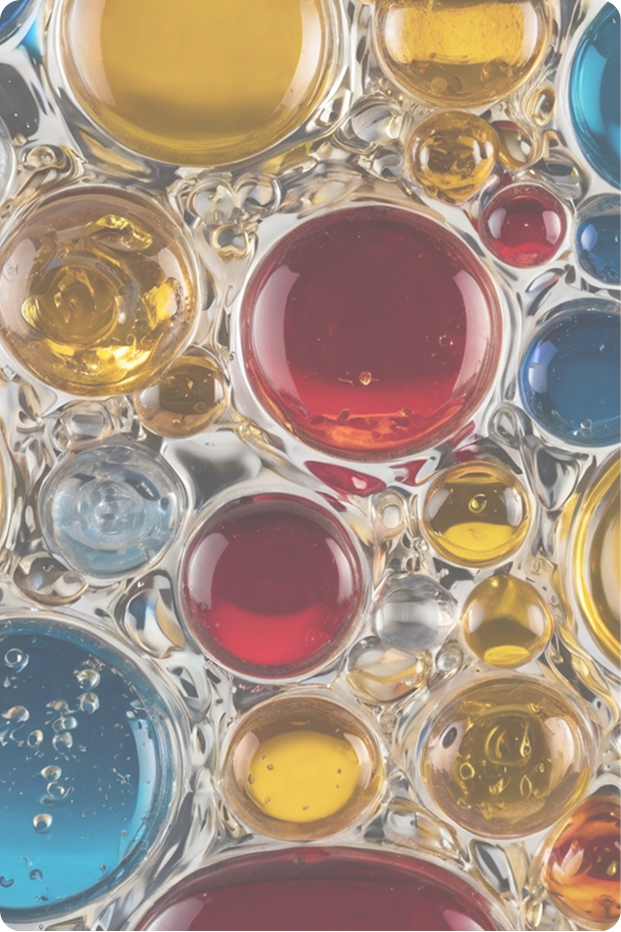
Specialized electrochemical treatment of persistent dielectric and industrial optical oils.
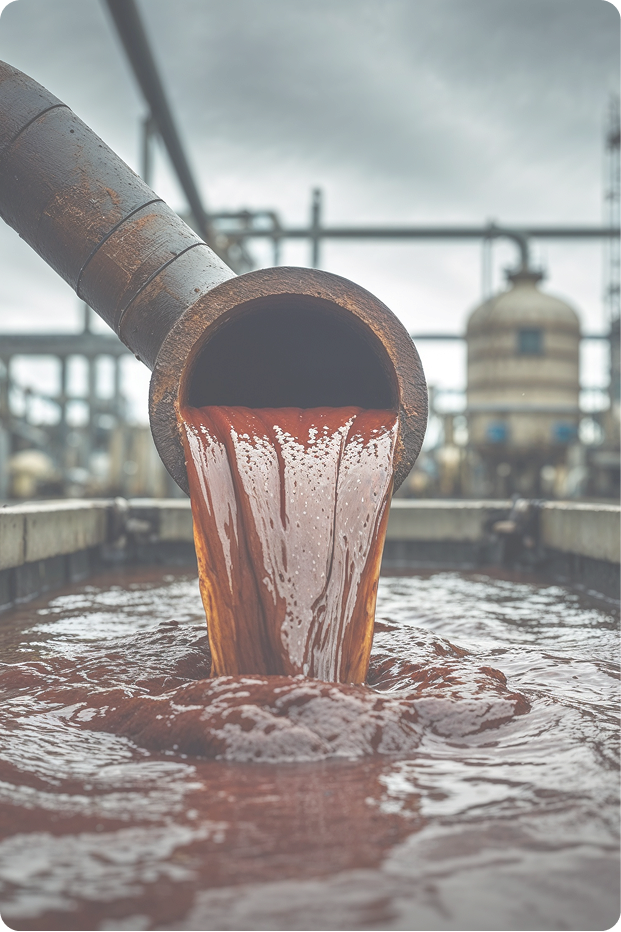
High-acidity, ultra-high-COD recalcitrant effluents generated during sugar fermentation and spirit distillation.
Cutting-edge treatment technologies delivering high efficiency and verifiable results.
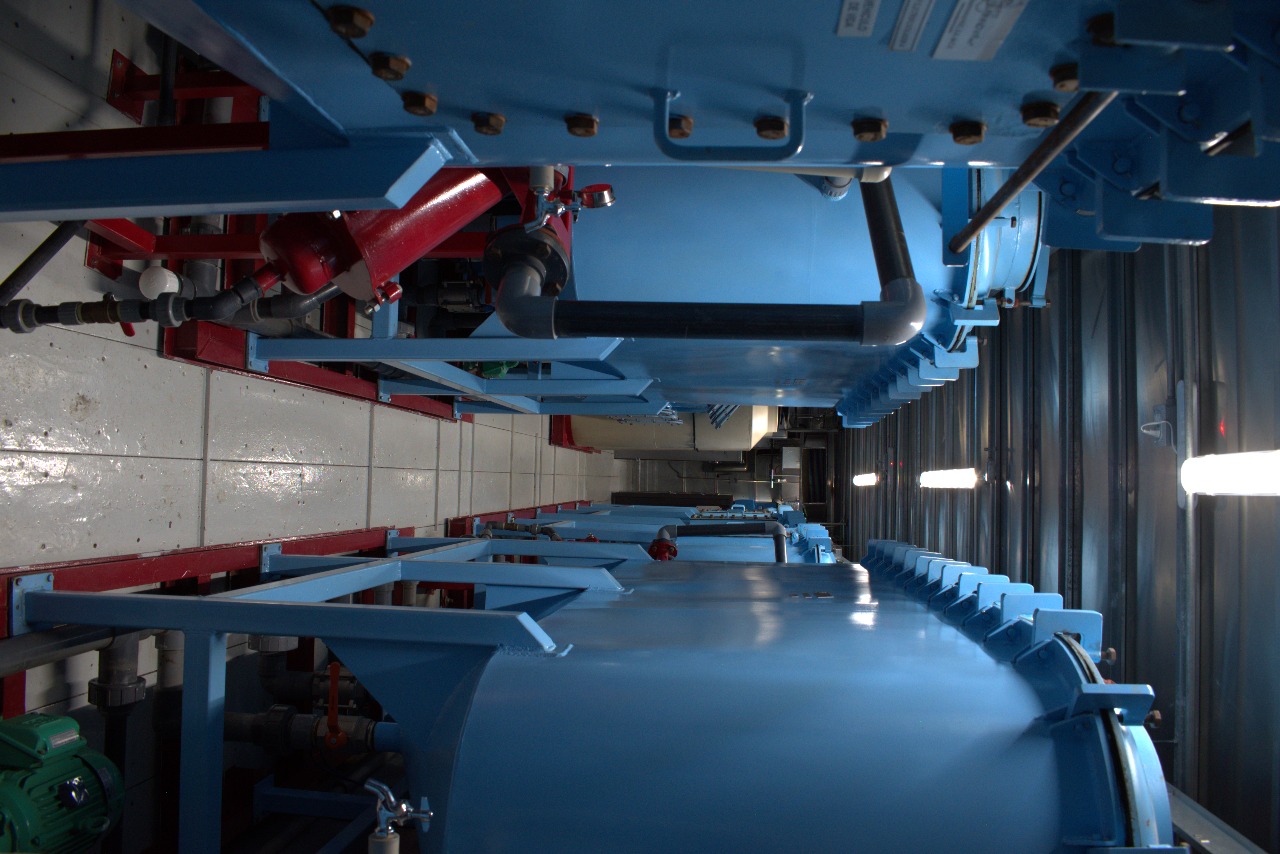
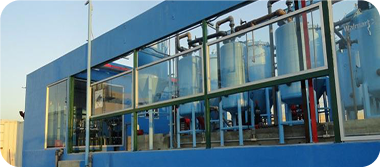
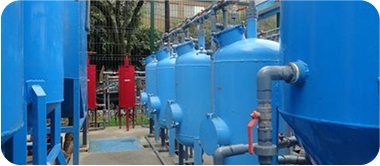
Municipal and industrial wastewater treatment (50,000 L/day). Automated PLC control, remote telemetry, and mobile skid design ideal for rapid deployment.
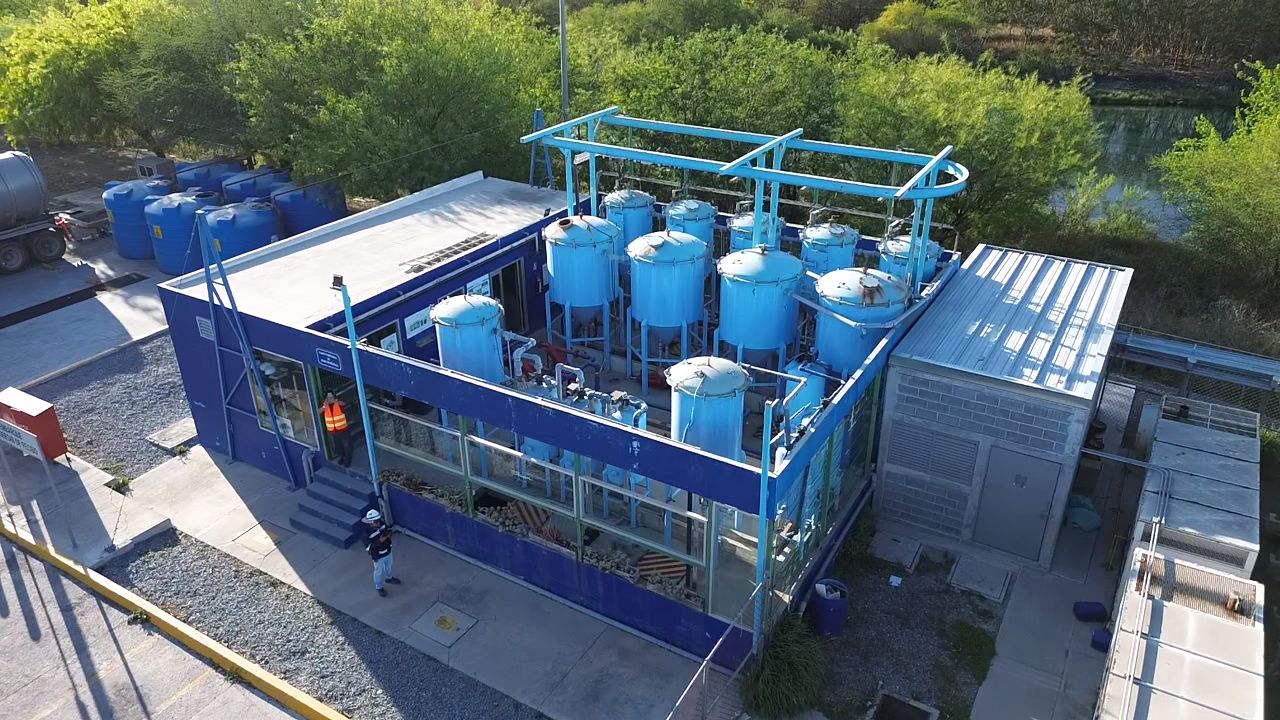
500 m³/day treatment facility for high-load meat processing effluents. Full NOM-001 / NOM-003 compliance for safe water reuse and discharge.
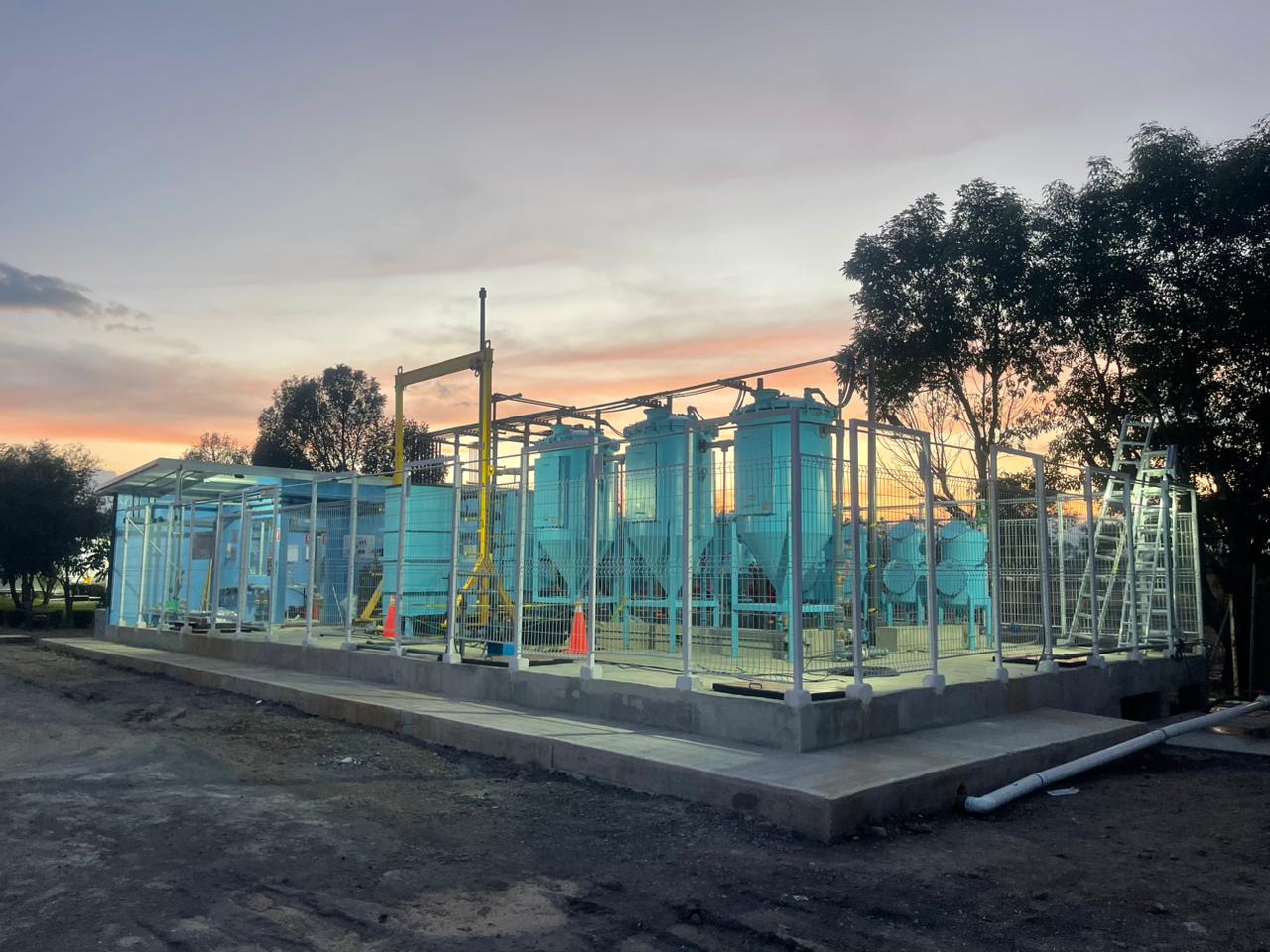
Integrated 200 m³/day system treating combined industrial and sanitary wastewater in the food manufacturing sector.
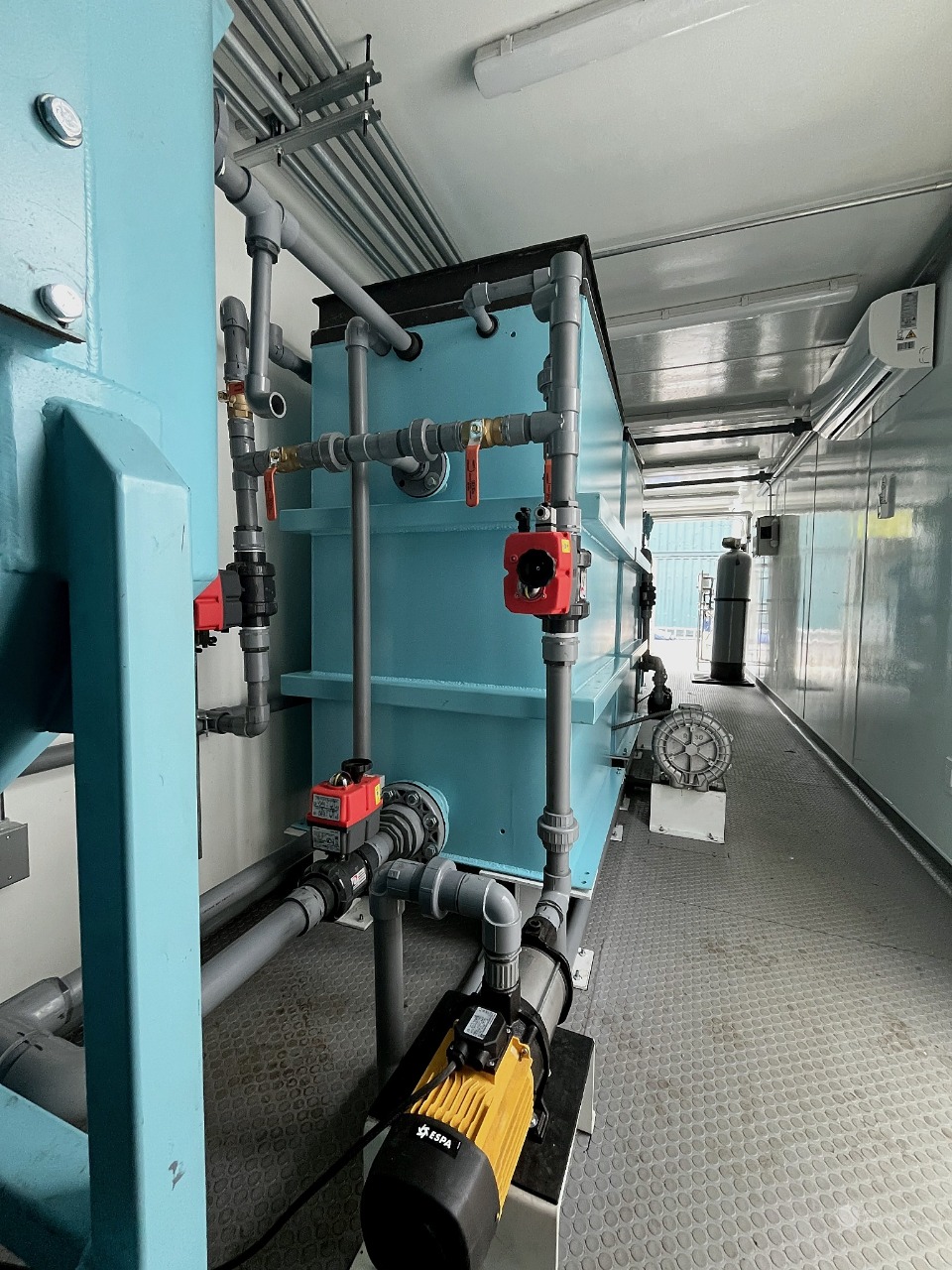
Advanced surface-water potabilization unit for challenging river and lake sources. Autonomous mobile facility operating under extreme climate conditions to produce safe drinking water.
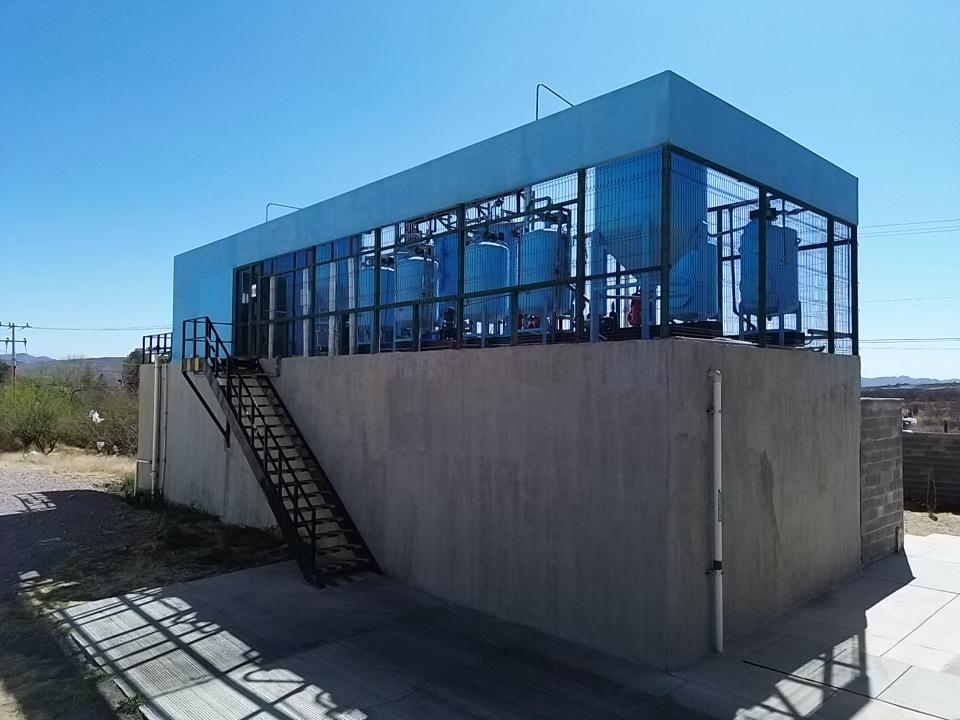
1,500 m³/day facility for a major logistics distribution center. Treats mixed sanitary, cafeteria, and maintenance effluents to NOM-003 quality for facility reuse.
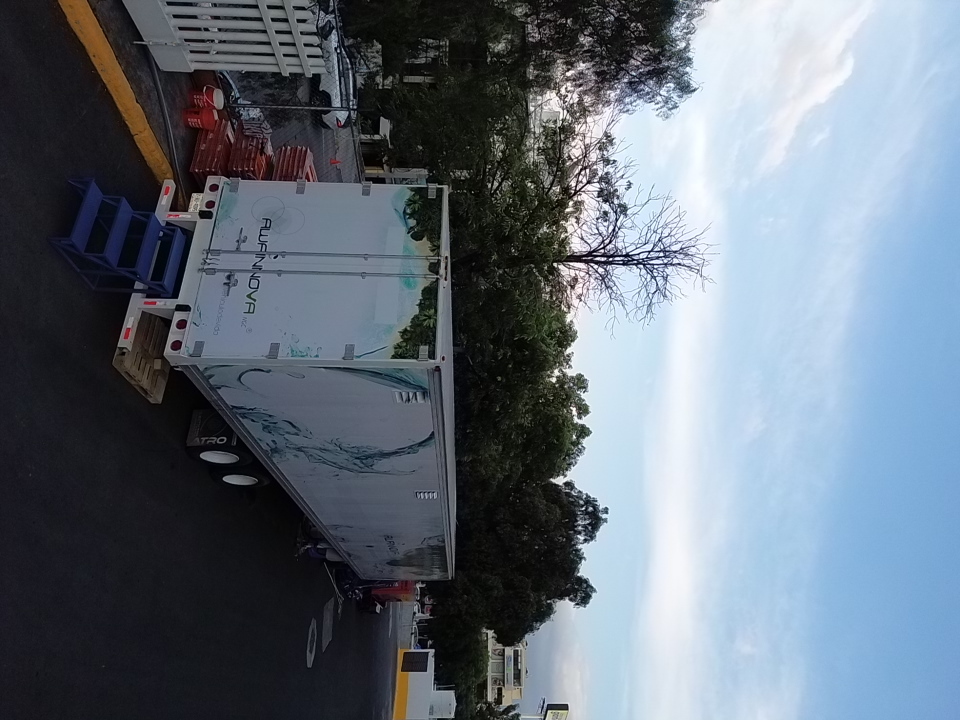
Compact 30,000 L/day mobile unit treating complex leachates for water recycling with rapid deployment and flexible operation.
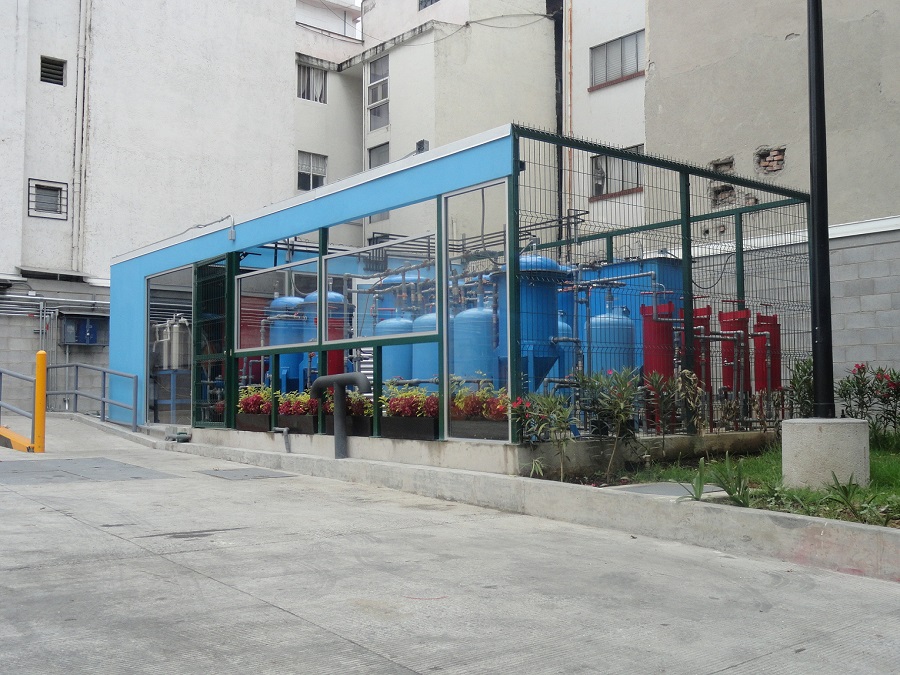
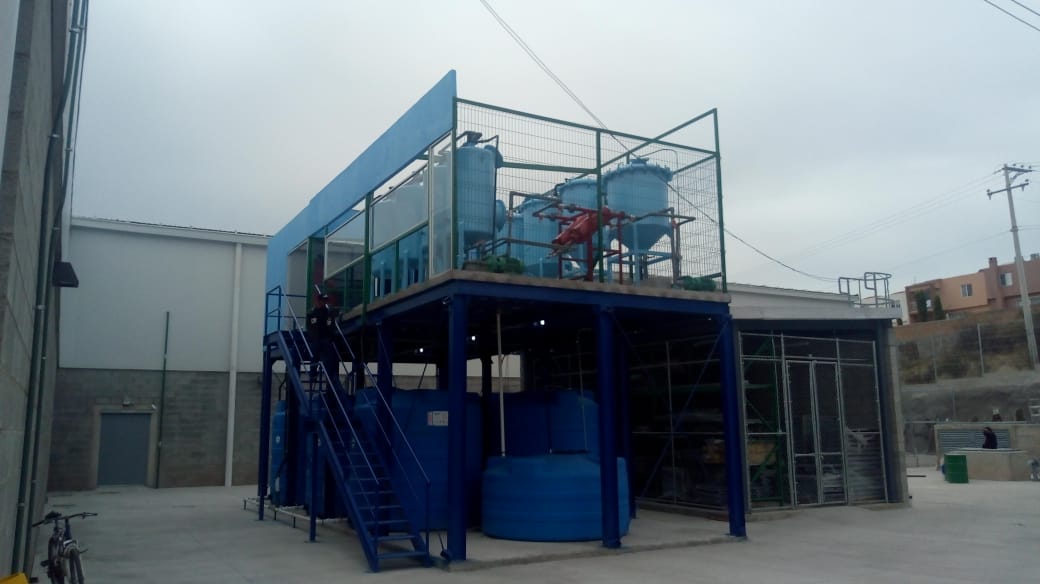
A selection of industrial and commercial facilities in active operation.