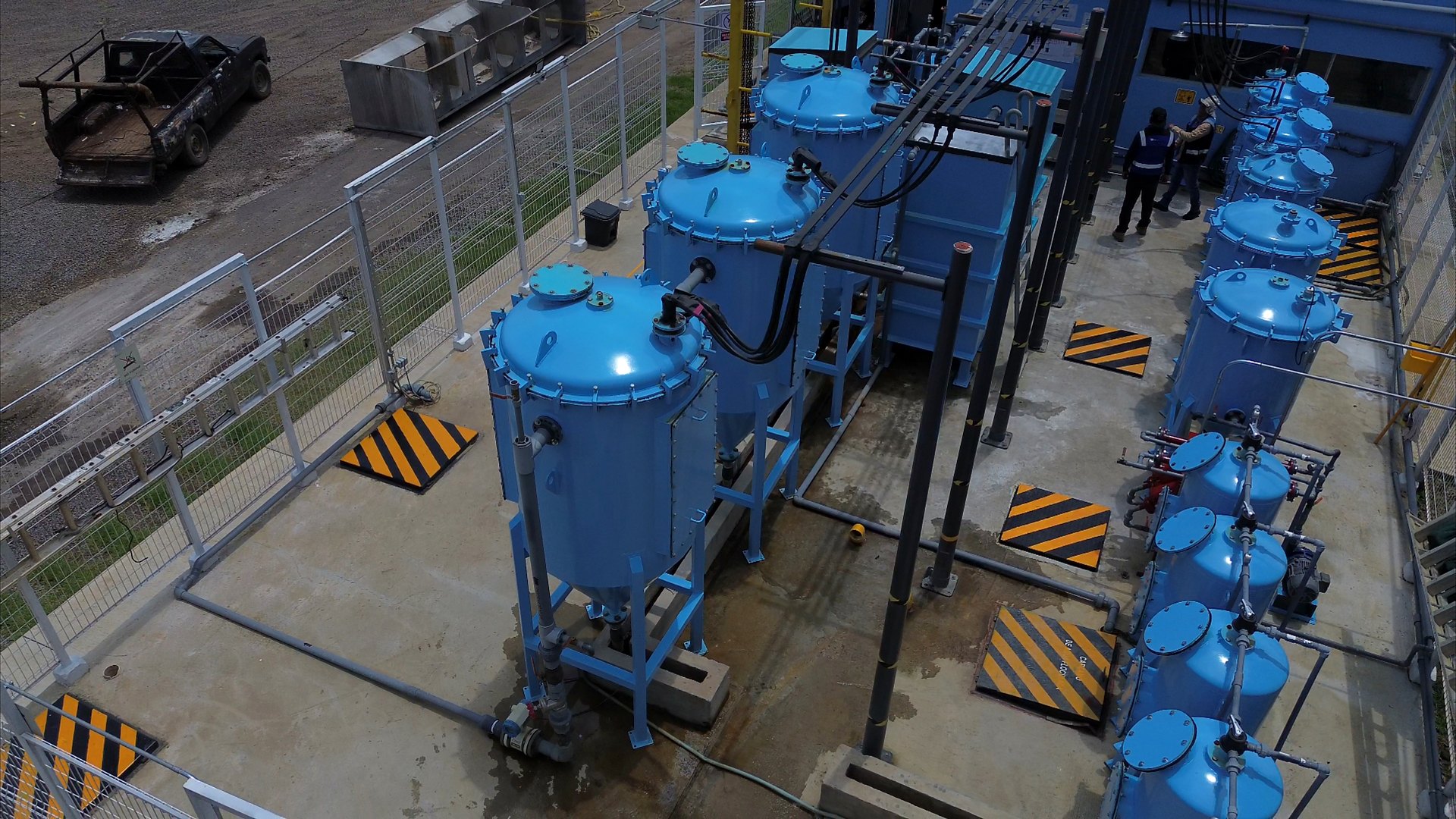
Intelligent Control at Every Process Stage
Industrial automation engineered to coordinate, supervise, and optimize wastewater treatment plant operations.
Functional Industrial Control Architecture
Deterministic supervision and closed-loop control from in-tank primary instrumentation to electromechanical actuator response.
Industrial Transmitters & Flow Cells
Continuous acquisition of physical and chemical parameters (pH, ORP, dissolved oxygen, volumetric flow, and turbidity) with inline calibration and high chemical resistance.
Optical DO probe modulating biological reactor aeration demand in real time.
Automated Operational Sequences
Step-by-step programmed coordination for soft startups, steady-state operation, and fail-safe shutdowns without hydraulic surges.
Step 01: Initial Permissives Verification
The PLC verifies that standby conditions are safe: minimum wet-well levels, nominal three-phase power supply, and zero active emergency stops.
No rotating asset starts without confirmed open valve paths and sufficient wet-well level, preventing pump cavitation and pipe overpressure.
* Conceptual process control sequence demonstration.
Safety & Interlock Matrix
Protection of mechanical assets, effluent water quality, and plant personnel through structured response tiers upon process deviations.
Normal Condition
Parameters operating within nominal design thresholds.
Subcritical Warning
Preventive parameter drift warning without flow interruption.
Process Alarm
Critical operational safety threshold exceeded.
Intervention Required
Scheduled preventive maintenance or physical on-site inspection.
NORMAL CONDITION (GREEN)
Process variables (pH, DO, pressures, and flow rates) operating within nominal engineering design ranges.
The PLC executes the sequential program in automatic mode. Actuators modulate speed without restrictions.
Periodic visual check on local HMI touchscreen and routine physical plant walkthroughs.
Secure Remote Supervision with MER Systems
Real-time capture of operational trends and power draw with unidirectional telemetry transmission and strict isolation from power control circuits.
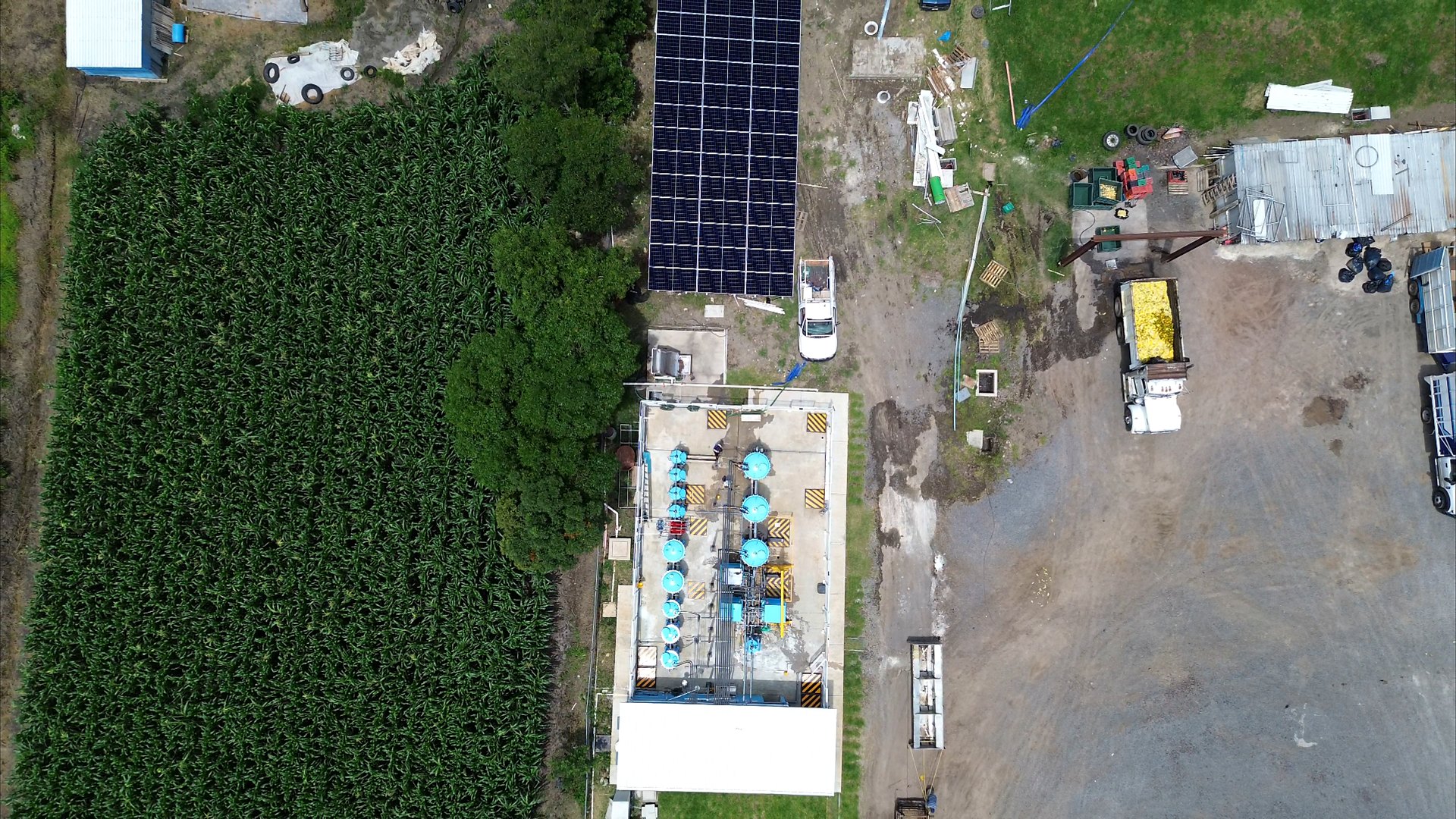
Continuous Water Quality Monitoring
Clear metrological differentiation between parameters measured continuously inline by process sensors and certified laboratory regulatory analyses.
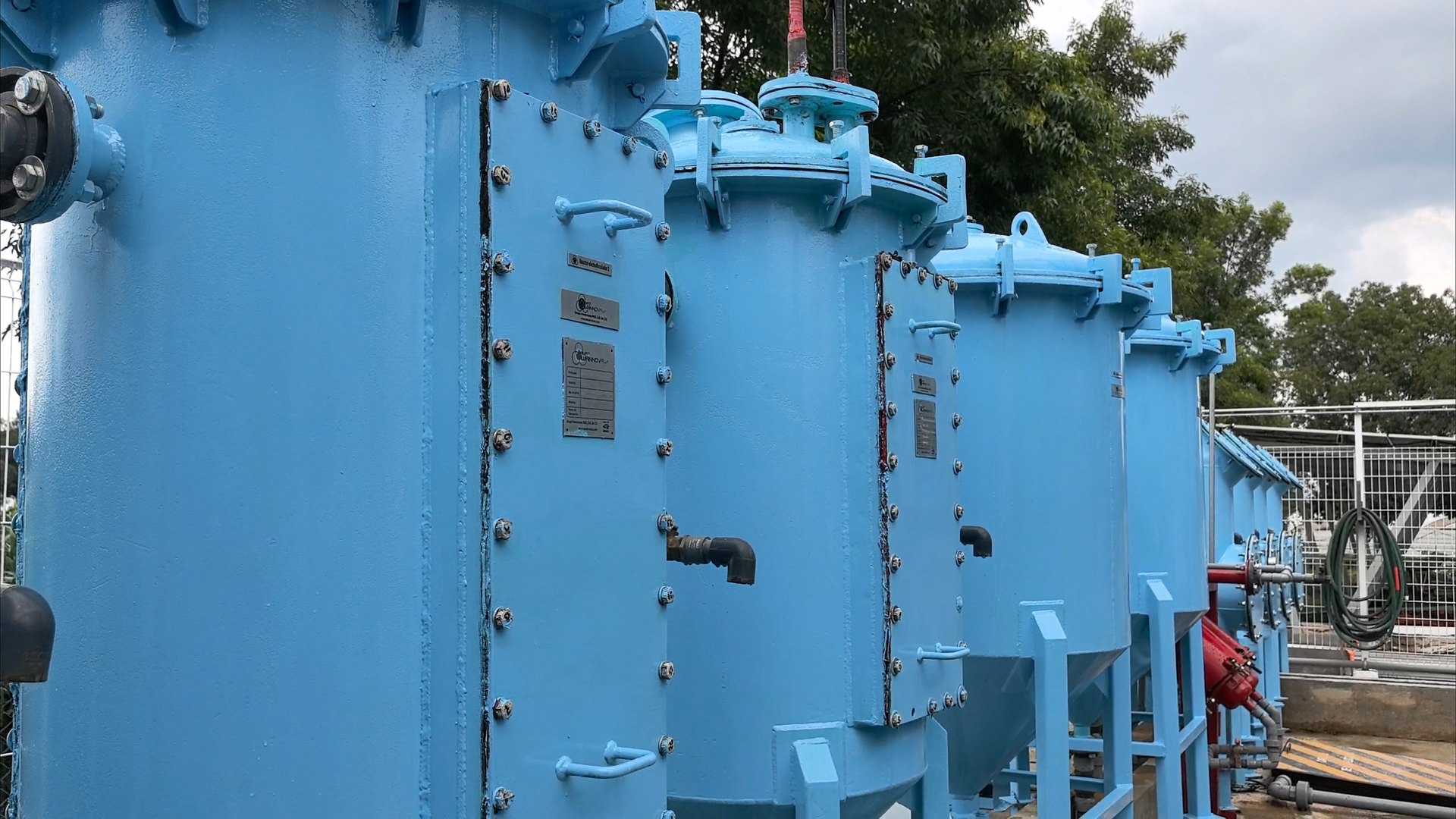
| Parameter | Acquisition Method | Role in Process Automation |
|---|---|---|
| pH & ORP | Inline flow-cell combination electrodes | Real-time modulation of acid/alkaline chemical dosing pumps. |
| Dissolved Oxygen (DO) | Luminescent optical probe | VFD blower speed regulation for optimal aeration energy savings. |
| Effluent Turbidity | Surface nephelometric sensor | Floc carryover warning and automated coagulant trim adjustment. |
| Volumetric Flow Rate | Electromagnetic flowmeter | Automated hydraulic mass balance and cumulative treated volume logging. |
| BOD5, COD, TSS, FOG | EMA-Accredited Laboratory | Formal regulatory compliance certification under NOM-001-SEMARNAT-2021. |
Operator-Centric Industrial Automation
Automation frees technical personnel from repetitive and hazardous manual tasks, strengthening strategic supervision and industrial safety.
-
Strict LOTO Procedures: Mandatory physical Lockout/Tagout (LOTO) on electrical disconnects prior to any electromechanical maintenance.
-
Zero Hazardous Manual Maneuvers: Automated PLC sequences prevent valve sequencing errors or dry-running pump startups.
-
Continuous Expert Supervision: The human operator retains supreme authority over emergency stops and manual system reset.
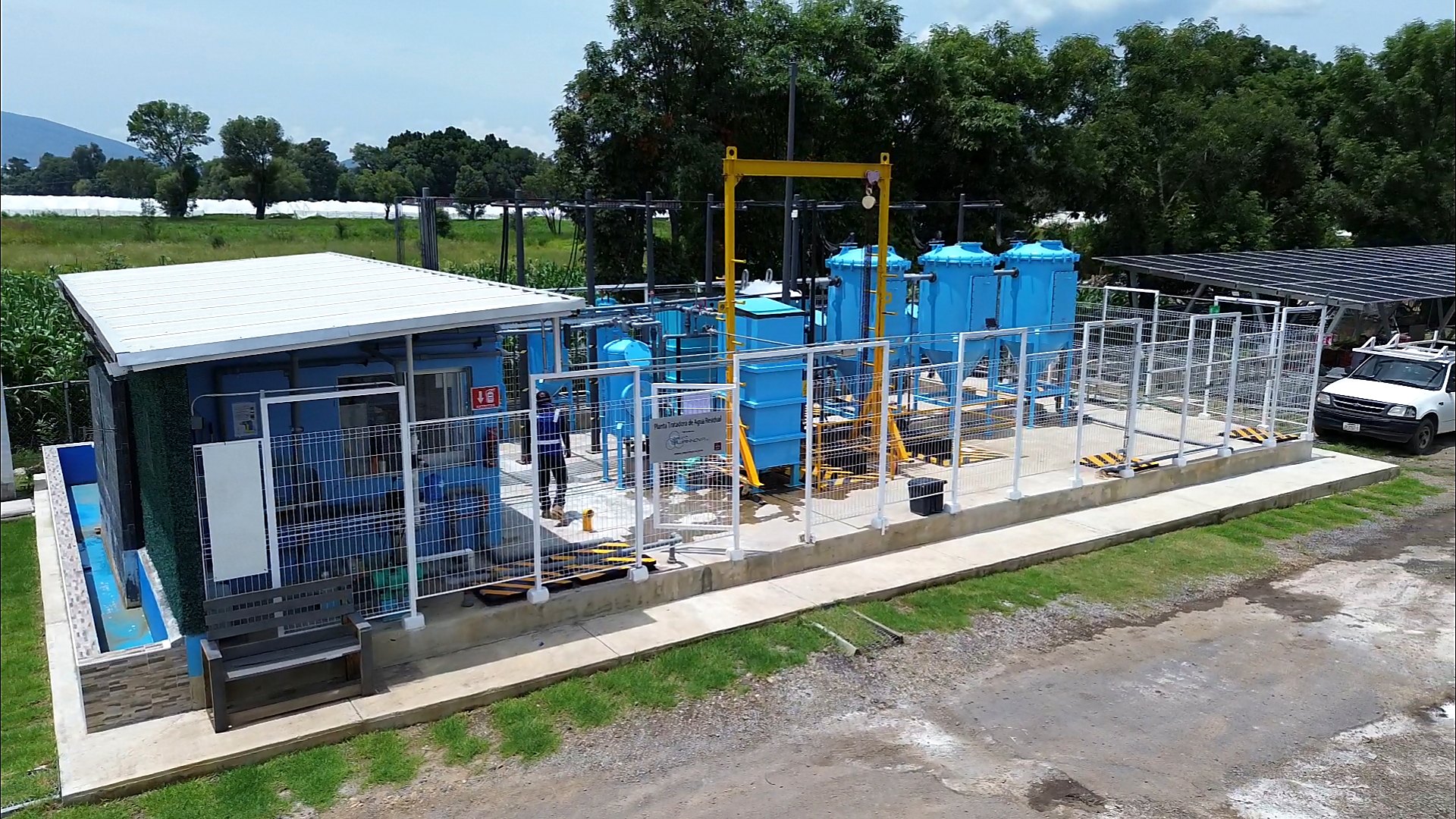
Modernize Your Wastewater Treatment Plant Operations
Consult with our control engineers to audit your reactor instrumentation, implement deterministic PLC sequences, and enable secure MER telemetry.